

Introduction
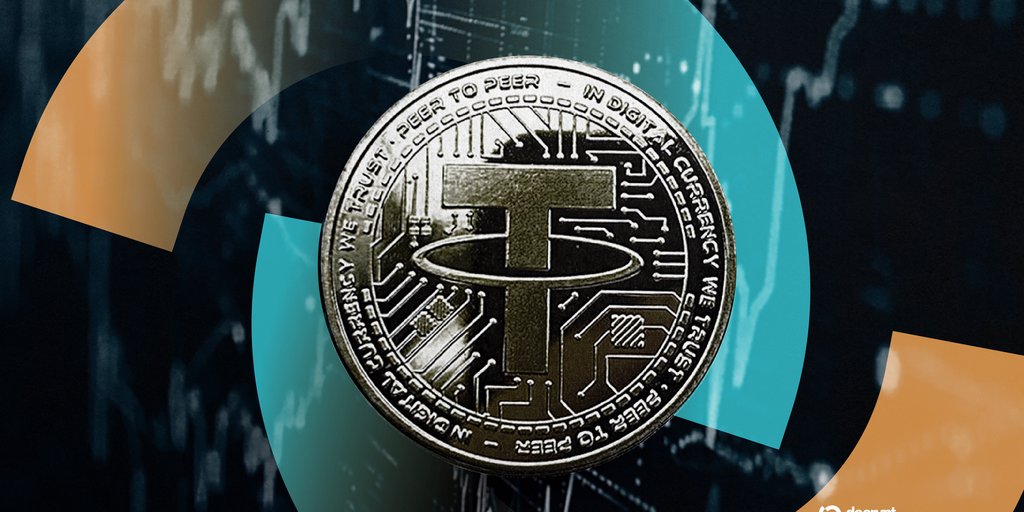
Bolivia is exploring the possibility of integrating Tether’s USDT stablecoin as a payment method in the country, marking a potential shift in its financial landscape. With a recent loosening of restrictions on crypto transactions and ongoing efforts to regulate digital assets, Bolivia is navigating the complexities of incorporating cryptocurrencies into its economy.
Main Developments
In a recent briefing, Bolivia’s Minister of Economy, José Gabriel Espinoza Yáñez, underscored the cautious approach needed for evaluating the inclusion of USDT in the nation’s payment systems. The country, currently on the Financial Action Task Force (FATF) gray list, is taking steps to address money laundering and terrorist financing concerns associated with crypto assets.
The move towards considering USDT as a payment option comes on the heels of Bolivia’s removal of a ban on crypto transactions in 2024. This decision has contributed to the explosive growth of the crypto sector in Latin America, where the region saw nearly $1.5 trillion in crypto transactions from July 2024 to June 2025.
Why This Matters
The potential adoption of USDT in Bolivia underscores a broader trend of mainstream acceptance of stablecoins in emerging markets. As one of the leading stablecoins by market capitalization, USDT’s entry into Bolivia could open up new avenues for digital asset use and financial inclusion in the country.
Bolivia’s willingness to explore USDT as a payment solution showcases a shift towards embracing innovative financial technologies to drive economic growth and modernization. The country’s evolving stance on cryptocurrencies reflects a broader global trend towards acknowledging the value and utility of digital assets in a rapidly changing financial landscape.
Market Impact
The consideration of USDT in Bolivia could have ripple effects on the broader cryptocurrency market, particularly in terms of increasing adoption and acceptance of stablecoins in traditional financial systems. As more countries explore integrating digital assets into their economies, the demand for stablecoins like USDT may see an uptick, leading to potential market growth and stability.
The move towards incorporating USDT in Bolivia could signal a step towards leveraging blockchain technology and stablecoins to enhance financial transparency, efficiency, and security in the region. This development may influence other nations to explore similar integrations, further bolstering the legitimacy and utility of digital assets on a global scale.
What Crypto Traders Should Watch
Crypto traders should monitor Bolivia’s progress in evaluating USDT as a form of payment, as any developments in this area could impact the adoption and usage of stablecoins in other emerging markets. The integration of USDT in Bolivia could pave the way for increased liquidity and accessibility of digital assets, potentially shaping trading strategies and market dynamics in the region.
Traders should also keep an eye on regulatory updates in Bolivia regarding crypto assets, as the country works towards establishing clear guidelines for the use of digital currencies. Any regulatory clarity or framework introduced by Bolivia could set a precedent for how other nations approach cryptocurrency regulation, influencing market sentiment and investment decisions.
Conclusion
Bolivia’s exploration of USDT as a payment option reflects a growing acceptance of stablecoins and digital assets in traditional financial systems. The country’s efforts to regulate cryptocurrencies and integrate them into its economy signify a shift towards embracing financial innovation and modernization.
As Bolivia continues to navigate the complexities of incorporating USDT into its payment systems, the global cryptocurrency community is poised to observe how this development unfolds and its potential impact on market dynamics. The increasing mainstream acceptance of stablecoins like USDT highlights the growing relevance of digital assets in reshaping the future of finance.
FAQ
Q: Why is Bolivia considering the inclusion of USDT as a form of payment?
A: Bolivia is exploring the integration of USDT to modernize its payment systems and tap into the benefits of stablecoins for financial inclusion and innovation.
Q: How does Bolivia’s regulatory status impact its evaluation of cryptocurrencies like USDT?
A: Bolivia’s presence on the FATF gray list influences its cautious approach towards crypto assets, highlighting the importance of addressing money laundering and terrorist financing concerns.
Q: What market implications could arise from Bolivia’s potential adoption of USDT?
A: The integration of USDT in Bolivia could lead to increased demand for stablecoins, fostering market growth, stability, and the mainstream acceptance of digital assets globally.