

Introduction
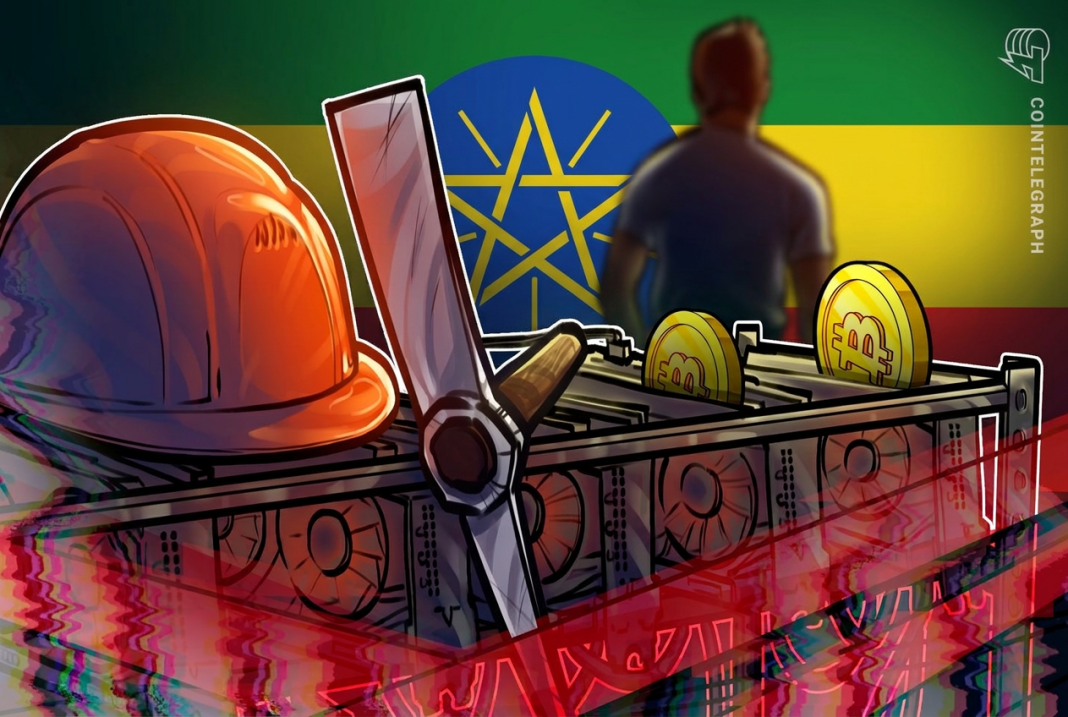
Ethiopia’s decision to drastically reduce electricity provided to Bitcoin miners due to strained hydroelectric reservoirs has sparked concerns in the cryptocurrency community. The move comes as a result of lower water inflows impacting the country’s power generation capabilities, with implications for both miners and the broader market.
Bitcoin Market Developments
According to reports, Ethiopia has cut power to Bitcoin miners to 23% of contracted levels, down from an initial reduction to 75%, as a response to dwindling water inflows in its hydroelectric reservoirs. This decision has been driven by the need to prioritize electricity for households and manufacturers amid challenging conditions exacerbated by El Niño-induced dry weather.
Why Traders Are Watching
The reduction in electricity supply to Bitcoin miners in Ethiopia highlights the growing impact of environmental factors on cryptocurrency mining operations. As one of the world’s most energy-intensive industries, Bitcoin mining is closely tied to the availability of reliable and affordable power sources, making government policies and natural conditions critical considerations for miners and investors.
Market Sentiment
The news of Ethiopia’s power cuts to Bitcoin miners has raised concerns among market participants, with some questioning the sustainability of current mining practices. The reliance on hydroelectric power in countries like Ethiopia has attracted miners seeking low-cost energy solutions, but recent developments underscore the fragility of this setup in the face of environmental challenges.
Potential Market Impact
The reduced electricity supply to Bitcoin miners in Ethiopia could have broader implications for the cryptocurrency market, particularly in terms of mining profitability and network security. As miners grapple with higher operational costs and lower revenue, there may be a shift in mining activity towards regions with more stable power infrastructure, potentially impacting the distribution of hash power and network dynamics.
What Crypto Traders Should Watch
Cryptocurrency traders should closely monitor developments in Ethiopia and other key mining regions to gauge the potential impact on market dynamics. Changes in electricity availability, regulatory actions, and environmental factors can all influence mining operations and, by extension, the broader crypto ecosystem. Understanding these risks is essential for making informed investment decisions in the volatile crypto market.
Conclusion
The reduction in electricity supply to Bitcoin miners in Ethiopia serves as a reminder of the interconnected nature of cryptocurrency markets and real-world factors. While such developments may create short-term challenges for miners, they also highlight the need for sustainable mining practices and resilient infrastructure. Traders and investors should remain vigilant in monitoring these trends to navigate the evolving landscape of the crypto market.
FAQ
Q: How are environmental factors impacting Bitcoin mining operations in Ethiopia?
A: Lower water inflows in Ethiopia’s hydroelectric reservoirs have led to a significant reduction in electricity supply to Bitcoin miners, highlighting the vulnerability of mining operations to environmental conditions.
Q: What are the potential implications of Ethiopia’s power cuts for the broader cryptocurrency market?
A: The reduction in electricity supply in Ethiopia could impact mining profitability, hash power distribution, and network security, prompting traders to reassess the geographical diversity of mining operations.
Q: Why is the news of Ethiopia’s electricity cuts significant for cryptocurrency traders and investors?
A: The decision to limit power to Bitcoin miners in Ethiopia underscores the need for market participants to consider environmental risks, regulatory dynamics, and infrastructure challenges when evaluating investment opportunities in the crypto sector.