

Introduction
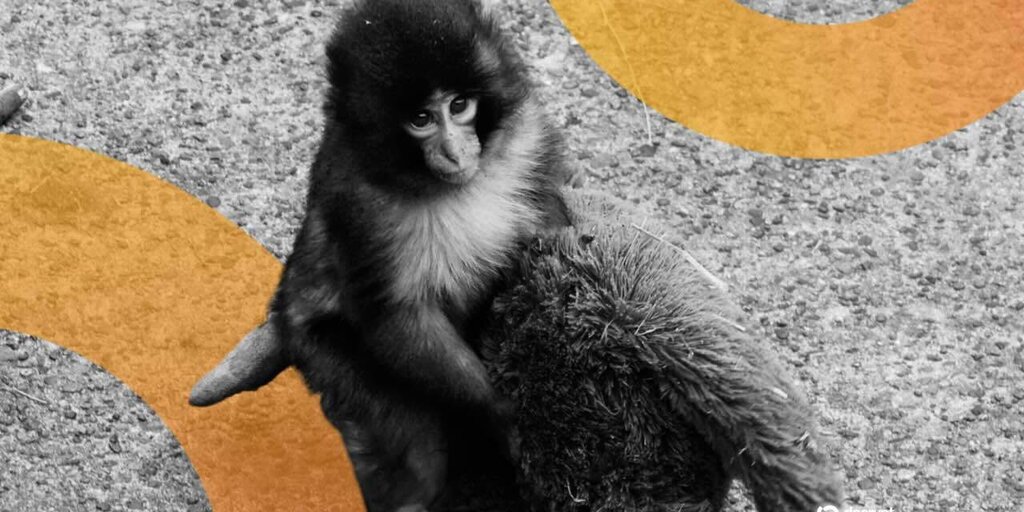
Two American men made headlines for their arrest in connection with an incident at a Japanese zoo involving a viral macaque monkey named Punch. The men are accused of entering the monkey’s enclosure as part of a promotion for a meme coin, leading to a significant increase in the coin’s value. The stunt gained widespread attention on social media, ultimately resulting in the arrest of the individuals involved.
Main Developments
The incident at the Ichikawa Zoo in Japan involved 24-year-old Reid Jahnai Daysun allegedly climbing over the enclosure’s perimeter fence while wearing a costume promoting the Solana-based meme coin, Just a Memecoin (MEMECOIN). His companion, 27-year-old Neal Jabahri Duan, reportedly filmed the encounter, which was later shared on social media platforms, garnering millions of views. Despite the attention the stunt received, both men denied the charges against them.
Why This Matters
The unauthorized entry into the zoo enclosure not only posed a potential risk to the animals but also raised concerns about the safety and security measures in place. The promotion of a cryptocurrency through such reckless actions highlights the lengths to which some individuals will go to generate publicity, even at the expense of animal welfare and public safety. The incident serves as a cautionary tale about the consequences of using unlawful means to promote digital assets.
Market Impact
Following the viral nature of the event, the meme coin associated with the zoo incident experienced a significant surge in value, jumping approximately 35% in the past week. This spike in price can be attributed to the widespread attention the stunt received on social media platforms, leading to increased interest and investment in the cryptocurrency. However, the long-term sustainability of this price increase remains uncertain, as such gains are often driven by hype rather than fundamental value.
What Crypto Traders Should Watch
Crypto traders should monitor the developments surrounding the legal repercussions faced by the individuals involved in the zoo incident. Any regulatory actions taken in response to such promotional tactics could impact the broader cryptocurrency market, especially meme coins that rely heavily on social media buzz for valuation. Additionally, traders should remain cautious of investing in assets that gain value solely based on hype generated by controversial events.
Conclusion
The events at the Ichikawa Zoo underscore the intersection of cryptocurrency promotion, social media virality, and ethical considerations. While the incident led to a temporary surge in the value of the meme coin associated with the stunt, it also raised questions about the responsible promotion of digital assets. As the crypto industry continues to evolve, it is essential for market participants to prioritize transparency, compliance, and ethical practices to build trust and credibility in the space.
FAQ
Q: What led to the significant increase in the meme coin’s value following the zoo incident?
A: The widespread attention and virality of the event on social media platforms contributed to a surge in the meme coin’s value, attracting investors and speculators looking to capitalize on the hype generated by the unauthorized zoo stunt.
Q: How have regulators responded to the incident involving the promotion of a cryptocurrency at the zoo?
A: The incident has prompted discussions about potential regulatory measures to prevent similar unauthorized promotional activities in the future, emphasizing the importance of maintaining ethical standards in cryptocurrency marketing and promotion.
Q: What should crypto traders consider when evaluating investments in meme coins and other speculative assets?
A: Crypto traders should exercise caution when investing in assets that rely on hype and controversial events for valuation, as such assets are susceptible to sudden price fluctuations and regulatory scrutiny. It is crucial to conduct thorough research and assess the underlying fundamentals of any investment opportunity before committing funds.