



Crypto wallets are one of the most important tools in the digital asset ecosystem. Whether you are holding Bitcoin long term, trading altcoins, using DeFi platforms, or swapping crypto privately, choosing the right wallet can dramatically improve your security and overall experience.
In 2026, security, privacy, and self-custody are more important than ever. Exchange hacks, phishing attacks, wallet drainers, and frozen accounts continue to affect crypto users worldwide. That is why many investors are moving toward non-custodial wallets that give users full control over their funds and private keys.
In this guide, we will break down the best crypto wallets available today, including hardware wallets, mobile wallets, Bitcoin wallets, privacy-focused wallets, and beginner-friendly options.
What Is a Crypto Wallet?
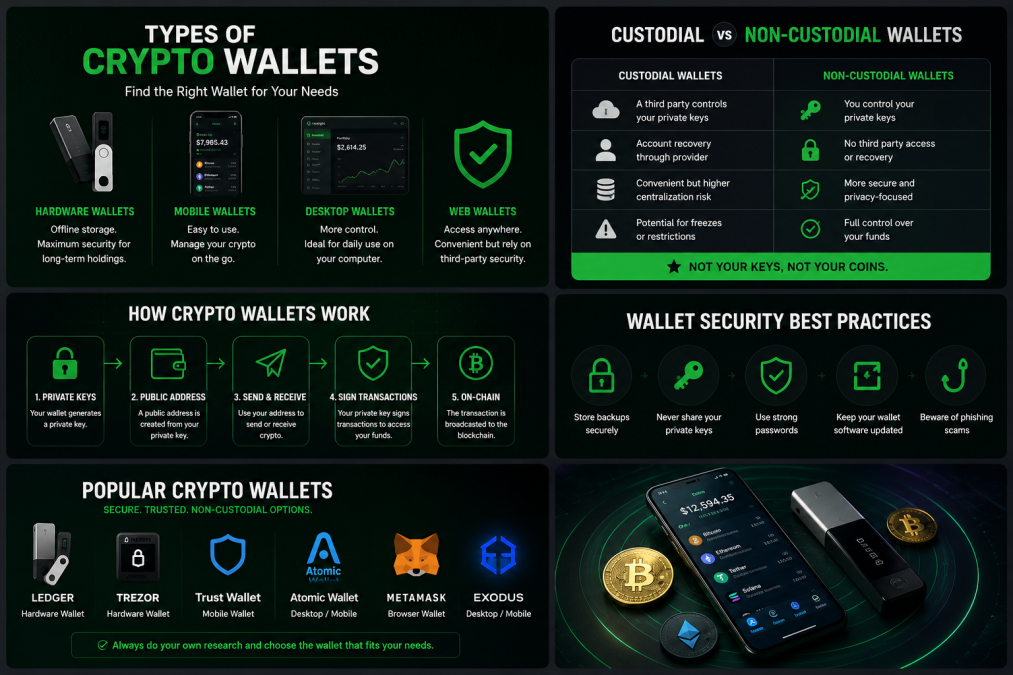
A crypto wallet is software or hardware that allows users to store, manage, send, receive, and swap cryptocurrency securely.
Crypto wallets do not technically “store” coins themselves. Instead, they store the private keys required to access blockchain assets.
There are two main types of wallets:
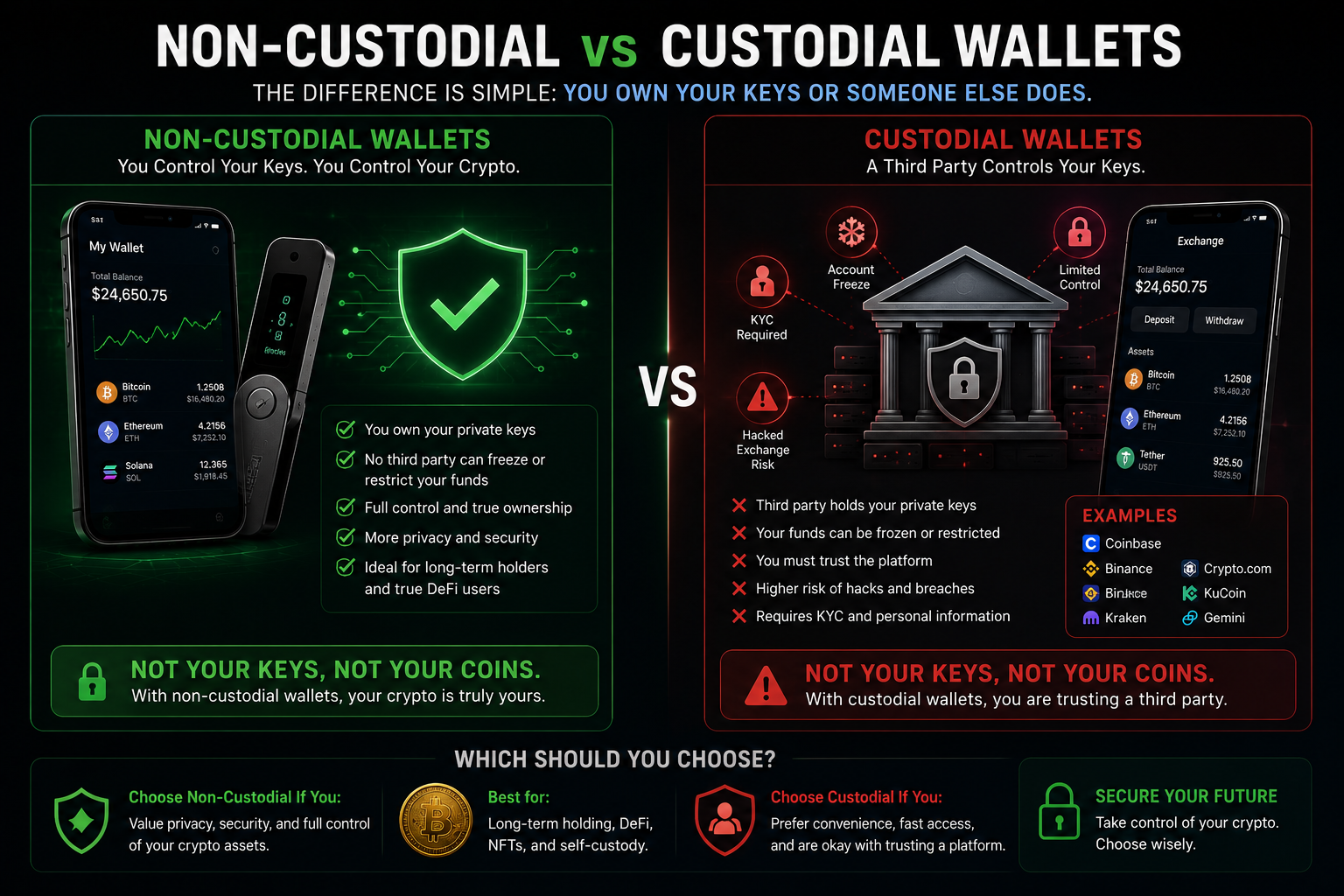
Custodial Wallets
A third party controls your keys and assets.
Examples:
- Centralized exchanges
- Web trading platforms
Non-Custodial Wallets
You control your private keys and funds directly.
Examples:
- Ledger
- Trezor
- MetaMask
- Trust Wallet
- Exodus
Non-custodial wallets are generally considered safer because you maintain complete ownership of your crypto.
Best Overall Crypto Wallets
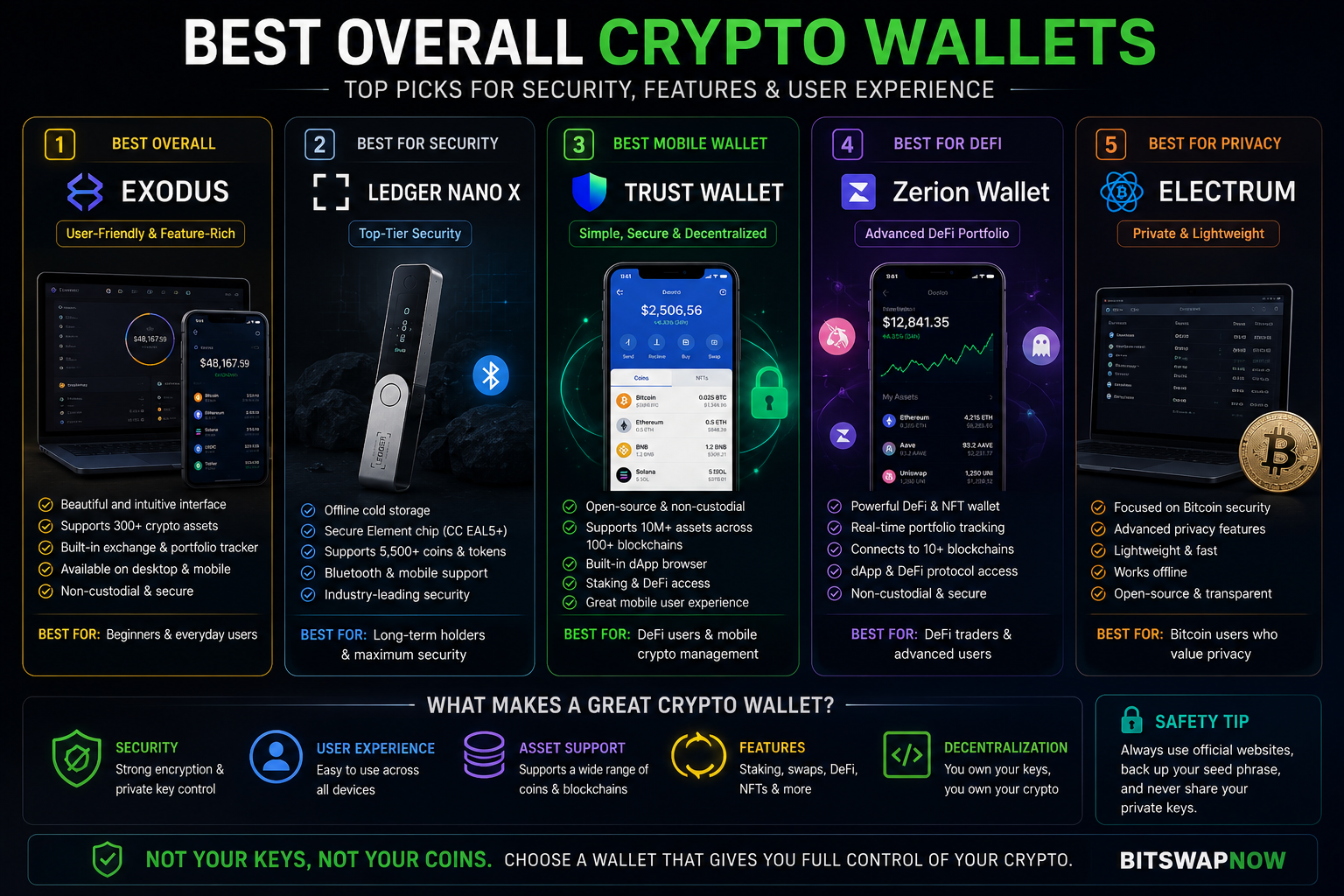
Exodus Wallet
Exodus remains one of the most beginner-friendly wallets available. It supports hundreds of cryptocurrencies and features a clean interface across desktop and mobile devices.
Pros
- Easy to use
- Multi-chain support
- Built-in swapping
- Great for beginners
Cons
- Closed source
- Not as privacy-focused as some alternatives
Best for:
- New crypto users
- Multi-asset portfolios
Trust Wallet
Trust Wallet is one of the most widely used mobile wallets in crypto. It supports thousands of assets across multiple blockchains including Ethereum, BNB Chain, Solana, and Polygon.
Pros
- Massive token support
- Mobile-friendly
- NFT support
- DeFi compatible
Cons
- Mobile-only focus
- Less advanced desktop functionality
Best for:
- Mobile users
- Altcoin traders
- NFT collectors
MetaMask
MetaMask remains the dominant Ethereum and EVM wallet for DeFi users.
Pros
- Excellent DeFi integration
- Browser extension support
- Huge ecosystem compatibility
Cons
- Primarily Ethereum-focused
- Common phishing target
Best for:
- Ethereum users
- DeFi traders
- Web3 applications
Best Bitcoin Wallets
Sparrow Wallet
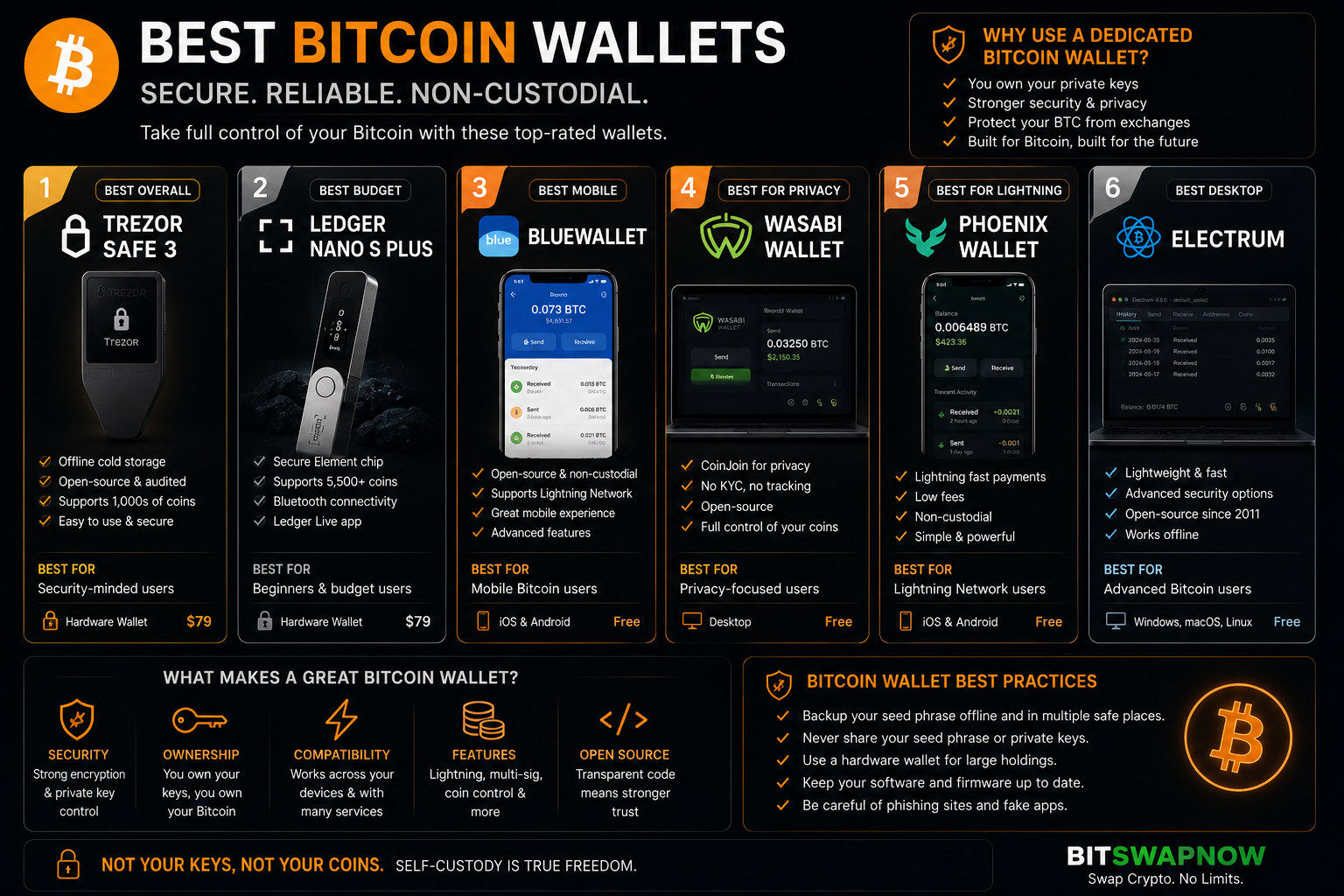
Sparrow has become one of the most respected Bitcoin wallets for advanced users.
Pros
- Excellent security features
- Coin control
- Hardware wallet integration
- Open source
Cons
- Learning curve for beginners
Best for:
- Serious Bitcoin holders
- Privacy-conscious users
BlueWallet
BlueWallet is a lightweight Bitcoin wallet that balances simplicity and security.
Pros
- Easy mobile experience
- Lightning Network support
- Beginner-friendly
Cons
- Bitcoin-focused only
Best for:
- Everyday Bitcoin users
- Lightning payments
Electrum
Electrum is one of the oldest and most trusted Bitcoin wallets.
Pros
- Lightweight
- Fast
- Highly customizable
Cons
- Outdated interface
- Better suited for advanced users
Best for:
- Experienced Bitcoin users
Best Privacy-Focused Wallets
Cake Wallet
Cake Wallet is one of the top choices for privacy-focused crypto users, especially Monero holders.
Pros
- Monero support
- Bitcoin support
- Built-in swaps
- Strong privacy features
Cons
- Smaller ecosystem
Best for:
- Monero users
- Privacy-focused traders
Monerujo
Monerujo is a dedicated Monero wallet for Android users.
Pros
- Lightweight
- Open source
- Privacy-first
Cons
- Monero only
Best for:
- Mobile Monero holders
Feather Wallet
Feather Wallet is an advanced desktop Monero wallet built for privacy and performance.
Pros
- Open source
- Strong privacy tools
- Lightweight
Cons
- More advanced setup
Best for:
- Serious Monero users
Best Hardware Wallets
Ledger
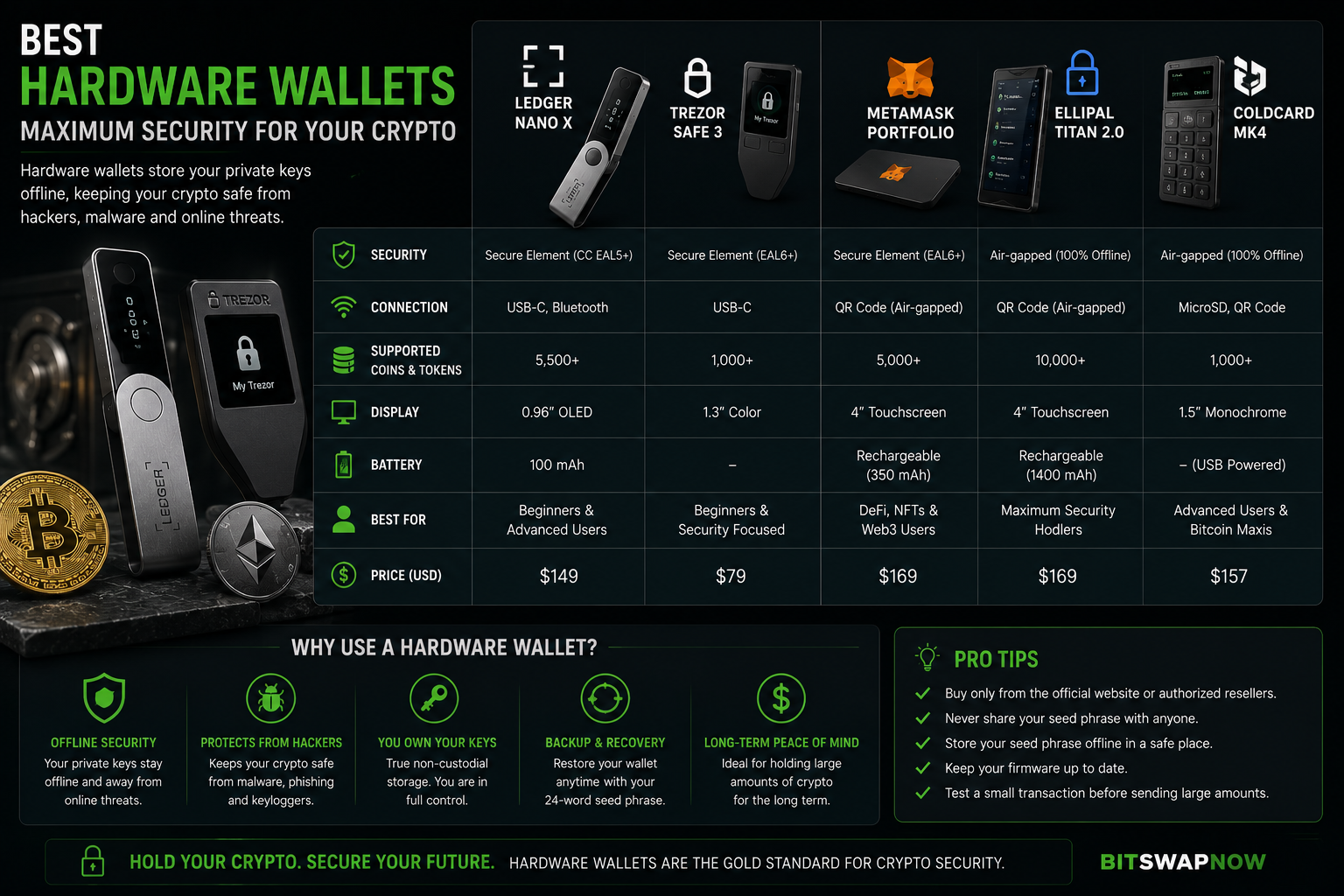
Ledger remains one of the most popular hardware wallet brands worldwide.
Pros
- Excellent security
- Massive coin support
- Bluetooth support on some models
Cons
- Closed-source firmware components
- Past controversy regarding optional recovery features
Best for:
- Long-term holders
- Large portfolios
Trezor
Trezor is a respected open-source hardware wallet solution.
Pros
- Open source
- Strong security reputation
- Beginner-friendly
Cons
- Slightly fewer asset integrations compared to Ledger
Best for:
- Security-focused users
- Bitcoin holders
Hot Wallets vs Cold Wallets
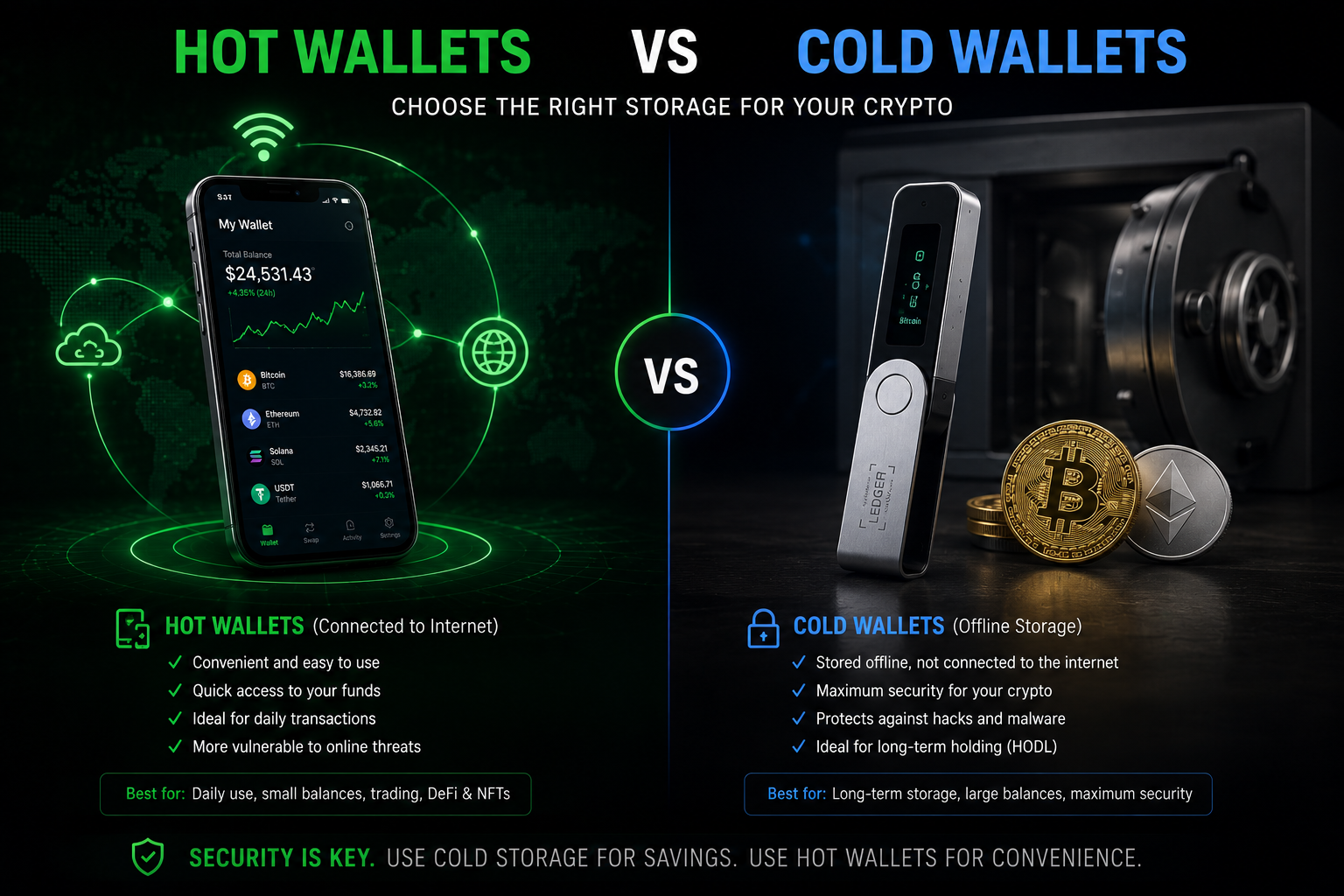
Hot Wallets
Connected to the internet.
Examples:
- MetaMask
- Trust Wallet
- Exodus
Advantages:
- Convenient
- Fast access
- Easy swapping
Risks:
- Phishing
- Malware
- Browser exploits
Cold Wallets
Offline storage devices.
Examples:
- Ledger
- Trezor
Advantages:
- Much safer for long-term storage
- Resistant to online attacks
Risks:
- Physical loss
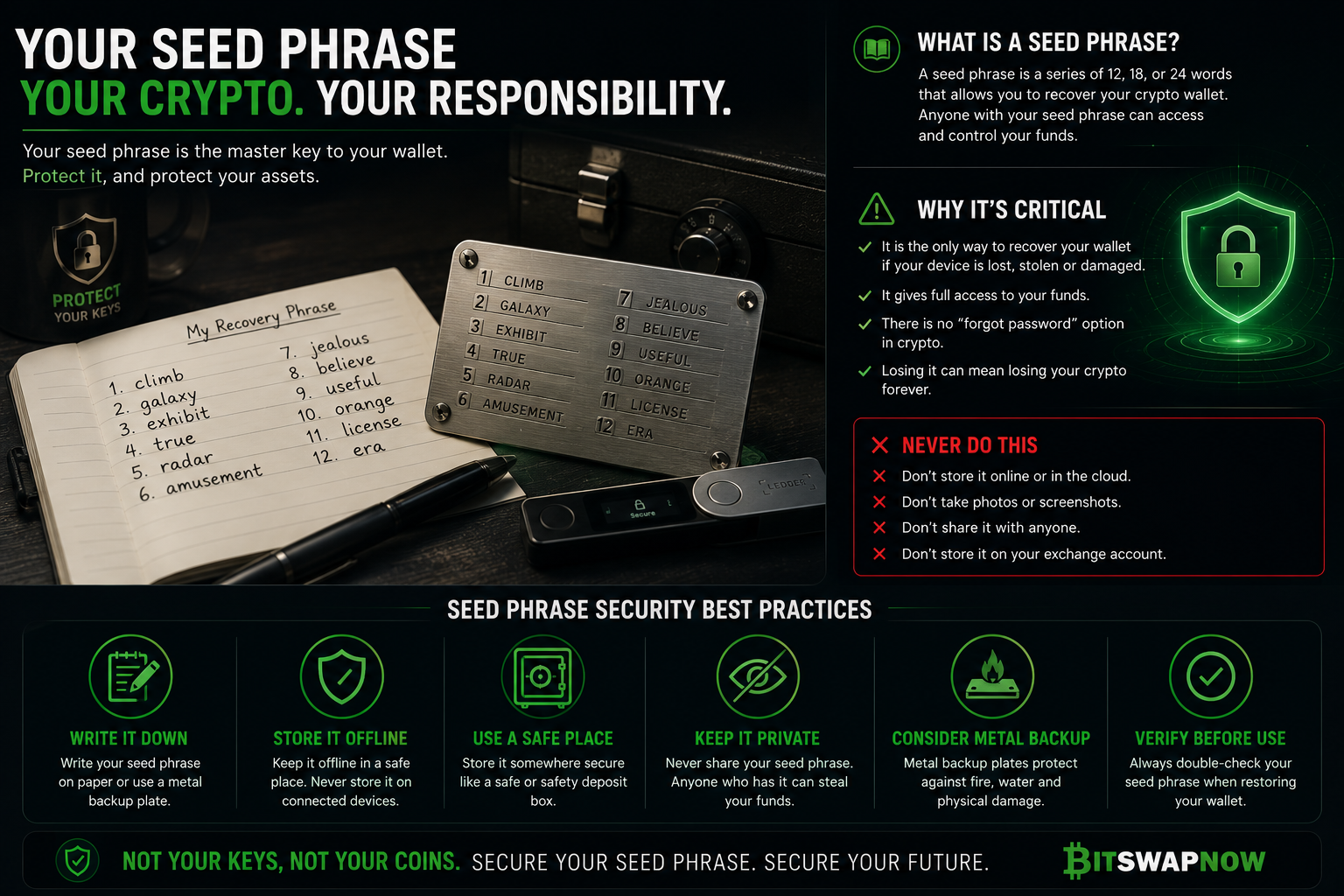
- Seed phrase mismanagement
What Makes a Crypto Wallet Safe?
The safest wallets usually include:
- Non-custodial ownership
- Strong encryption
- Open-source code
- Hardware wallet support
- Backup recovery phrases
- Multi-signature compatibility
Always:
- Store your seed phrase offline
- Never share recovery phrases
- Use two-factor authentication when possible
- Verify URLs carefully
- Avoid suspicious browser extensions
Best Wallets for Beginners
If you are new to crypto, these are some of the easiest wallets to start with:
| Wallet | Best For |
|---|---|
| Exodus | Beginners |
| Trust Wallet | Mobile users |
| Coinbase Wallet | Easy onboarding |
| Phantom | Solana users |
| MetaMask | Ethereum & DeFi |
Best Wallets for Advanced Users
Advanced users often prioritize privacy, security, and customization.
| Wallet | Best For |
|---|---|
| Sparrow | Bitcoin privacy |
| Electrum | Advanced Bitcoin tools |
| Feather Wallet | Monero privacy |
| Rabby | Advanced DeFi |
| Ledger + Sparrow | Cold storage security |
How to Swap Crypto Safely
Once you have a secure wallet, you may want to swap cryptocurrencies directly without using centralized exchanges.
Non-custodial swap platforms allow users to exchange assets directly between wallets without creating accounts or giving up custody of funds.
For example:
Using non-custodial swaps helps reduce counterparty risk while keeping users in control of their assets.
Final Thoughts
The best crypto wallet depends on your goals, experience level, and security preferences.
For beginners:
- Exodus
- Trust Wallet
- Phantom
For Bitcoin users:
- Sparrow
- Electrum
- BlueWallet
For privacy:
- Cake Wallet
- Feather Wallet
- Monerujo
For maximum security:
- Ledger
- Trezor
No matter which wallet you choose, self-custody and proper security practices are essential in crypto. Taking control of your private keys is one of the most important steps toward protecting your digital assets long term.
Last updated: